Nathaniel D. Phillips, PhD
Data and Decision Science Leader
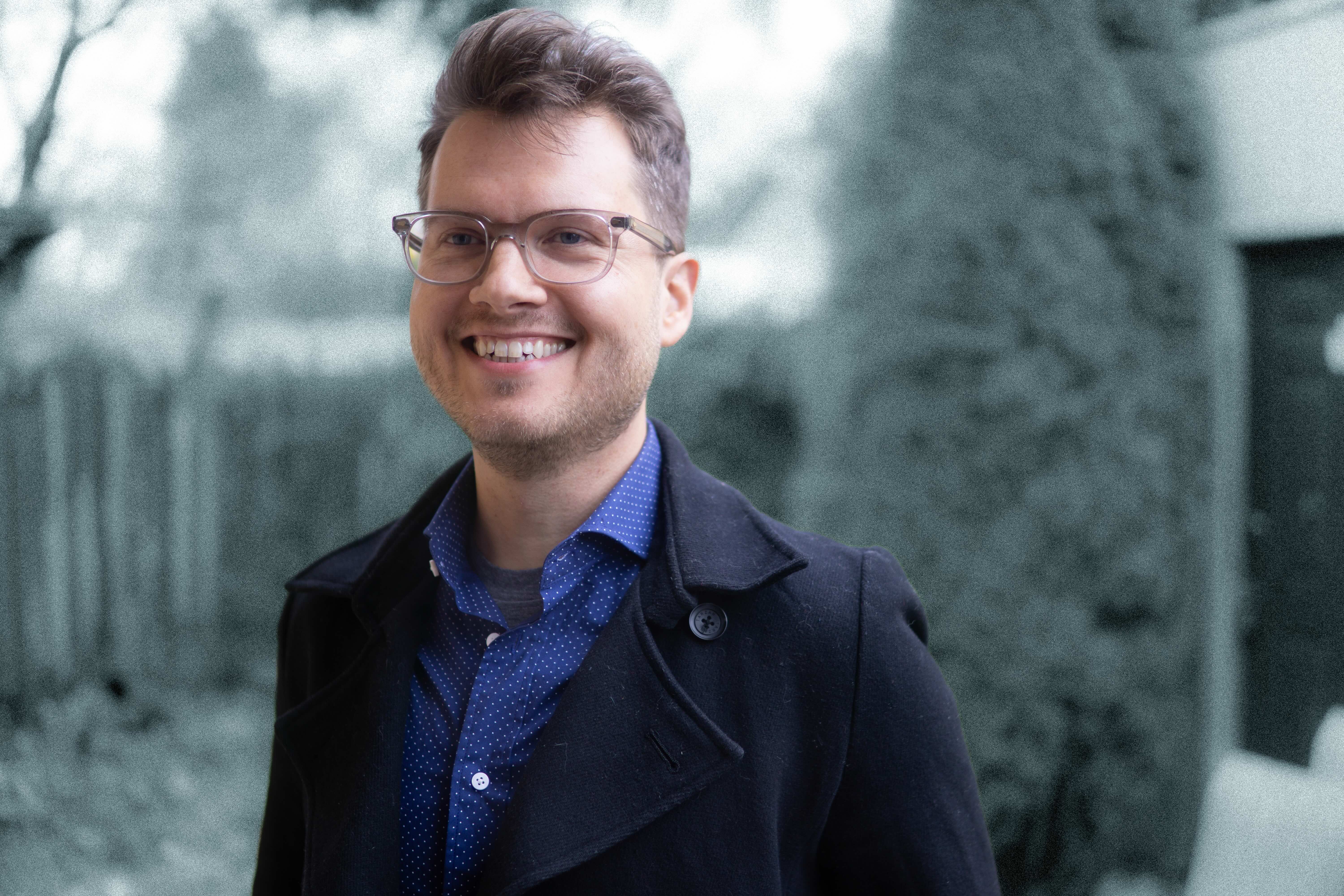
Quantitative scientist and data science leader with 10+ years of experience turning complex data into clear, actionable insights. Taught and mentored university students internationally. Deep expertise in real-world evidence, decision science, and scalable data tools that drive better outcomes. Managed and led data science teams at organizations like Flatiron Health, Roche, and Talkiatry.
Organizations I've Worked With







The numbers behind my work
250M+
Patient records across EHR, claims, and survey data
500+
Students and professionals trained in data science and decision-making
10+
Organizations supported, from Big Pharma to early-stage startups
8+
Disease areas spanning oncology, neurology, and psychiatry
5+
Peer-reviewed publications in decision science, psychology, and health outcomes
5+
International conferences presented at, including INFORMS, Judgment and Decision Making, and rstudio::conf
My work follows a single thread: reduce overwhelming data complexity to its essential signal.
See the projectsWhat I do
What I Do
Build the Infrastructure for Better Decisions
I design and build the analytics infrastructure that turns complex data into something an organization can navigate and act on. That might mean new software, better reporting frameworks, clearer operating standards, or making the hard call to retire legacy systems that are holding the organization back.
Bridge the Gap Between Technical and Human
I translate complex analytical work into language that lands with the people who need to use it, whether that's a scientist, an executive, or a clinical team under pressure. As AI reshapes how organizations work, this bridge matters more than ever: helping teams understand what their AI systems are actually doing, building frameworks to monitor quality, accuracy, and risk, and training people to use these tools effectively and responsibly. The best technical solution means nothing if it can't be communicated, trusted, and adopted.
Grow the People Behind the Work
I build, support, and nurture teams of analysts and scientists, creating environments where people are challenged, supported, and set up to do the best work of their careers.
How I do it
How I Do It
Start With the End in Mind
Before writing a line of code or pulling a dataset, I get clear on what success actually looks like. What decision does this enable? Who needs to trust it? What does "done" really mean? Working backwards from the answer keeps everything that follows focused and purposeful.
Be Transparent
I believe the people I work with deserve the full picture. That means open code, documented processes, clearly stated priorities, and honest conversations about risks and limitations. No black boxes, no hidden assumptions, no surprises late in the game. Trust is built when people can see exactly how a solution works and why decisions were made. I hold myself to that standard from day one of every project.
Create something to be proud of
I don't do smoke and mirrors. I hold myself and my teams to a high bar. Not perfectionism, but genuine craft. When people are proud of their work, something shifts. They take it personally in the best possible way. They go the extra mile without being asked. And when you ask a team to define what "proud" actually means to them, you learn something important: what they value, what they care about, and what kind of work they're capable of. That conversation alone is worth having.
What colleagues say
"Nathaniel and I worked together to deliver real-world-evidence outcomes. Nathaniel served as the lead programmer, ensuring that the project ran smoothly, remained ahead of schedule, and met the highest standards of accuracy in the final deliverables. The most valuable part of working together was learning from his expertise, not only his deep technical knowledge in real-world evidence, but also his skill in client communication and navigating evolving requests effectively and without losing focus on the end goal. I would highly recommend Nathaniel, as he brings a combination of technical expertise, reliability, and strategic communication that makes him an exceptional partner on complex, RWE projects."
Melyssa Minto, PhD
Computational Biologist, Flatiron Health
"I had the pleasure of working with Nathaniel on a project focused on demonstrating the downstream value of psychiatric care. He was thoughtful, open-minded, and highly logical in his approach. Nathaniel communicated clearly, helped bring structure to complex ideas, and played a key role in developing the plan. The most valuable element he brought to the project was his ability to think rigorously while remaining receptive to different perspectives. I learned a great deal from our time working together and would absolutely recommend him to others seeking a strategic collaborator."
Dr. Jacob Kannarkat
Physician, Yale University School of Medicine, Talkiatry
Let's Talk
Whether you're a pharma team designing a real-world evidence study, a startup building analytics infrastructure, or a researcher looking for a collaborator: I'd like to hear what you're working on.
Fun fact: I wrote a free, open-source statistics textbook called YaRrr! The Pirate's Guide to R. It's been used by thousands of students worldwide. Yes, there are pirate jokes.
Read it